There is a particular kind of frustration in shoulder recovery: movements that once happened without thought suddenly require planning, caution, and courage. Reaching for a shelf, pulling on a shirt, turning in bed, or lifting a cup can become reminders that healing is not always dramatic. Sometimes it is measured in millimeters, pauses, and attempts.
Physical therapy can make that reality visible. The work may look simple from the outside, but each careful movement asks you to meet pain, uncertainty, and impatience without giving up on your body. This is an honest look at that process—the difficult days, the progress that hides in plain sight, and the steady hope built through small steps.
When “Simple” Is the Starting Line
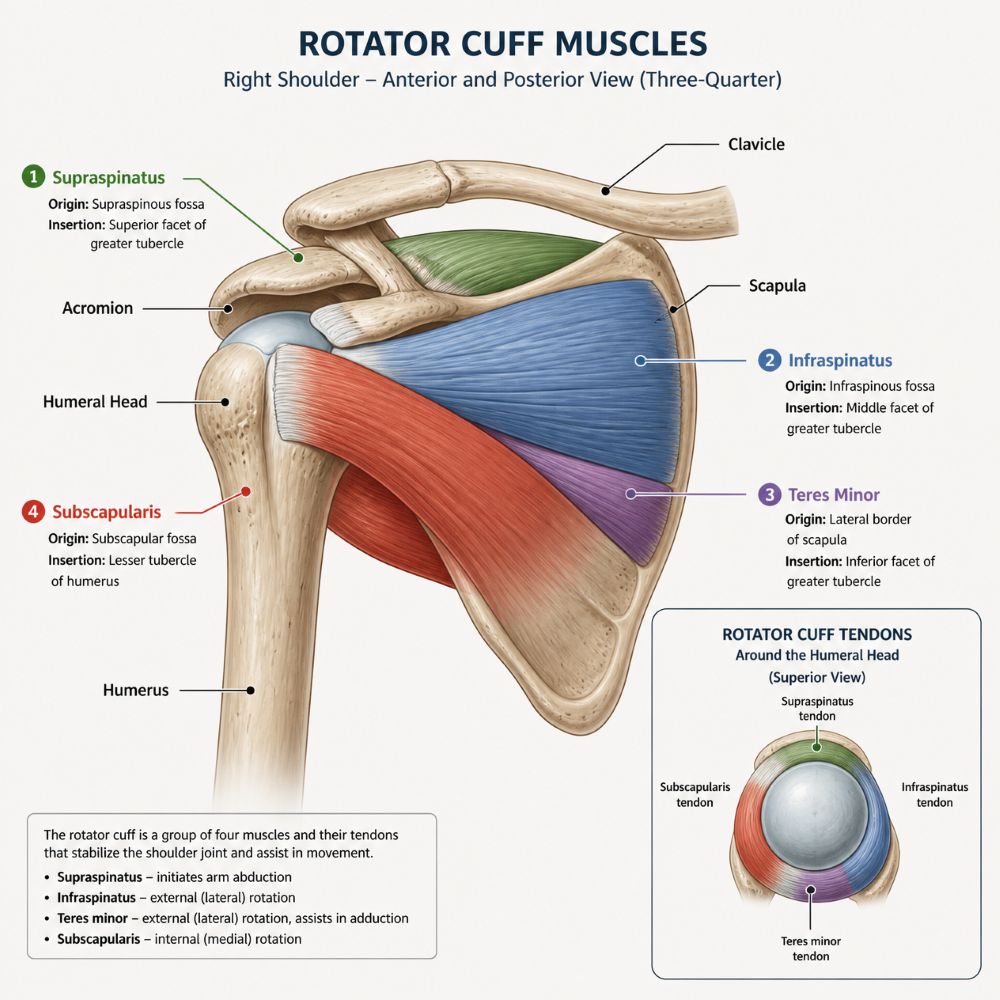
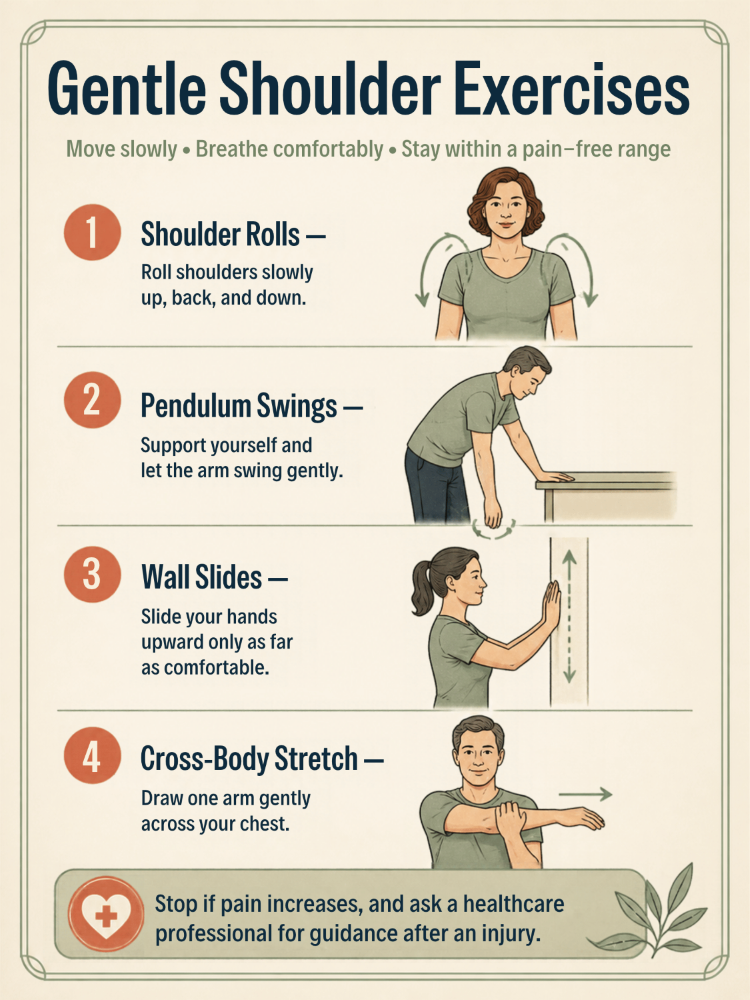
The first exercises in shoulder rehabilitation may seem almost too modest to matter. A controlled motion, a supported position, or a gentle attempt to engage a muscle can feel underwhelming when you want to return to everything you used to do. But simple is not the same as insignificant. Early movements create a foundation for awareness, control, and trust.
Starting small also gives you a way to listen. You begin to notice how your shoulder responds, where tension appears, and which movements feel more manageable than before. Your physical therapist can use those observations to guide the next step rather than asking your body to leap ahead before it is ready.
What starting small can teach you:
- Attention — noticing the difference between effort and strain.
- Control — practicing a movement with patience instead of forcing it.
- Trust — learning that a careful attempt still counts, even when it is not perfect.
Discomfort Can Be Part of the Process, but Patience Still Matters
Shoulder rehabilitation can be uncomfortable in both physical and emotional ways. A movement may feel awkward, stiff, or tiring. Progress may seem to pause just when you expected it to accelerate. It is understandable to feel discouraged when the work is demanding, and the results are difficult to see.
Patience does not mean pretending everything feels easy. It means making room for honest feedback and allowing recovery to unfold at a pace that respects your body. Some days may feel like maintenance rather than progress. That does not erase the effort you made or the information you gathered.
| A gentle safety note: This article is for general encouragement, not personalized medical advice. Follow the instructions of your licensed physical therapist. If an exercise causes concerning or worsening symptoms, stop and seek professional guidance from your care team. |
Try to measure the day-by-day care, not perfection:
- You showed up and paid attention to your symptoms.
- You communicated honestly about what felt difficult.
- You respected the difference between a challenge and a warning sign.
Small Progress Is Easy to Miss
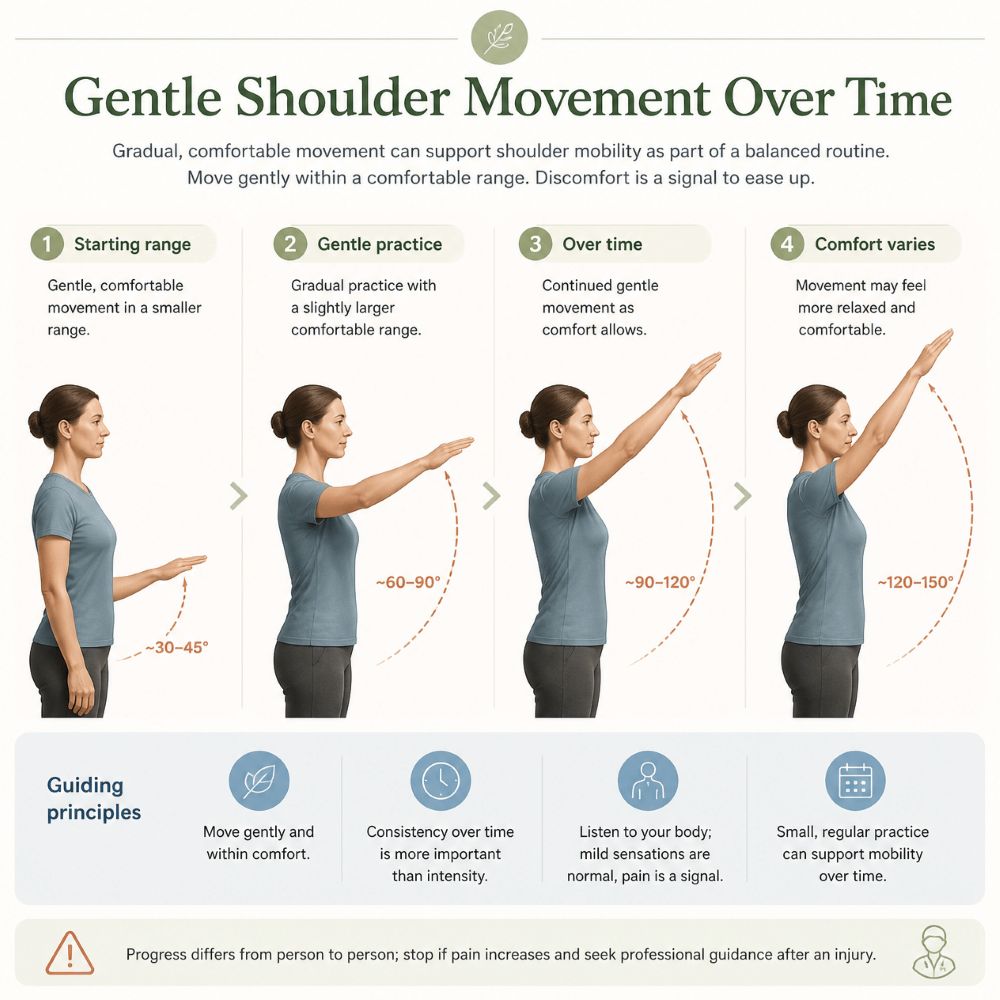
Shoulder recovery rarely announces itself with a single triumphant moment. More often, progress slips into ordinary details. You may notice that getting dressed takes less concentration, that a familiar position feels less intimidating, or that you can complete part of a routine with a little more steadiness. These changes can look small while carrying real meaning.
Because improvement can be gradual, it helps to notice what is different without demanding a dramatic before-and-after story. A brief note after a therapy session, a description of how a daily task felt, or a conversation with your care team can help you more easily recognize subtle changes.
Quiet signs worth acknowledging:
- More ease — a movement feels less guarded or requires fewer pauses.
- More awareness — you can describe your symptoms and limits more clearly.
- More confidence — you approach a familiar task with less fear than before.
The Emotional Side Deserves Space, Too
Rehabilitation asks more than muscles and joints. It asks for patience when you are tired, flexibility when plans change, and vulnerability when you need help with something that once felt automatic. There may be days when you feel hopeful, days when you feel angry, and days when you feel both within the same hour.
It is common to grieve a temporary loss of independence. Simple tasks can become public reminders of what is difficult, and comparing today with an earlier version of yourself can make the present feel smaller. Try to meet that grief with compassion rather than criticism. Needing time does not make you weak, and moving slowly does not mean you are failing.
Support can make the emotional weight easier to carry. Tell your care team when fear or frustration is affecting your participation. Let trusted people know what kind of help would actually be useful. Encouragement does not have to erase the hard parts; sometimes it simply helps you stay present for the next one.
| Remember: You are allowed to find rehabilitation difficult and still believe that your effort matters. Both truths can exist at once. |
Consistency Can Rebuild Confidence
Confidence often returns with consistency, not before. Repeating the plan set with your care team can create a rhythm: check in, try, notice, adjust, and try again. The rhythm may be imperfect, but it gives you something steady to return to when motivation fades.
Consistency is not about pushing through every feeling or treating rest as a setback. It is about honoring the agreed plan, communicating when something changes, and giving small efforts a chance to add up. Your care team can help determine what is appropriate for your situation; your role is to participate honestly and patiently.
A practical reset for a difficult day:
- Notice what your shoulder is telling you without judging yourself.
- Follow the guidance provided by your licensed physical therapist.
- Name one small action that supports your recovery today.
- Share concerning or worsening symptoms with your care team instead of guessing alone.
Honor the Small Steps
Shoulder rehabilitation can be slow, painful, repetitive, and emotionally exhausting. It can also be a place where patience becomes practical, where small movements become evidence of attention, and where confidence is rebuilt one honest attempt at a time. The goal is not to minimize what hurts or promise a particular outcome. It is to recognize that your effort has value even when progress is quiet.
Today, honor the step that is in front of you. Follow your care team’s guidance, speak up about what you are experiencing, and let small, steady actions count. You do not have to solve the whole recovery at once—you only have to meet the next movement with care.
